The honest answer to how to pick which photos go in a portfolio is simpler than most people make it: choose images that represent the work you want to be hired for, cut for story and variety, and never include a photo you have to make excuses for. The whole process takes an afternoon once you treat it as four separate passes instead of one long stare at your archive.
If you have ever sat in front of a folder of 400 frames from a single shoot and thought all of them are good, what now?, you are not bad at editing. You are just doing four jobs at once. This guide breaks the selection apart so each pass has one question to answer.
Table of Contents
- What You Need
- How to Pick Which Photos Go in a Portfolio: Step-by-Step
- Set a clear goal and audience
- Create a focused shortlist
- Score each photograph consistently
- Check that the images work together
- Test the selection with fresh eyes
- Edit, sequence, and finalize
- Common Mistakes
- Frequently Asked Questions
- How many photos should I include in my photography portfolio?
- Do portfolio photos need to be technically perfect?
- Should I include black-and-white and color photographs together?
- How do I choose a portfolio if my favorite pictures are too similar?
- Is it useful to ask other people which photos belong in my portfolio?
- Conclusion
What You Need
Four things, and none of them cost money. First, write down the portfolio’s purpose and its audience, because a photography club portfolio, a personal gallery, and a creative application each get judged on different things. Second, build a working edit rather than opening the raw archive, so you are choosing between plausible options instead of everything you have ever taken.
Third, set up a simple scoring or tagging system. A column in a spreadsheet, a set of colour labels in Lightroom or Capture One, or ten index cards on a table all work fine. Fourth, decide a realistic final image count before you start choosing, because there is no way to hit a number you have not named.
How to Pick Which Photos Go in a Portfolio: Step-by-Step
Set a clear goal and audience
Start by naming the one thing the portfolio is for. A wedding photographer pitching to couples is selling reliability, emotion and coverage of the day. A product photographer applying for commercial work is selling control, precision and clean execution. A personal fine-art project is selling point of view, and that is a completely different edit.
Write the answer in one sentence before you look at any photographs. If you cannot finish that sentence, you are not ready to pick photos, because every image will look equally good and equally irrelevant.
Create a focused shortlist
Get from the archive to a shortlist using four filters together: emotional impact, technical quality, relevance to the stated goal, and variety. Emotional impact is the first cut and the biggest one. If a frame gives you nothing when you look at it, no amount of sharpness rescues it.
Variety is what stops a portfolio looking like one shoot. A shortlist of eight frames that include a wide establishing view, a mid-range detail, a tight crop, and a quiet moment reads as range. Eight variations of the same portrait pose reads as a one-trick pony, no matter how good each one is. One photographer in r/WeddingPhotography described researching competitors first to see what types of photos and moments their portfolios actually contain, which is a fast way to calibrate your own shortlist.
A practical example: from a 400-frame landscape shoot, keep every frame that made you stop scrolling, then drop to roughly 40. Do not agonise at 400; you will make bad calls when you are tired of your own images.
Score each photograph consistently
Score each photo on five things, one to five, and write the numbers down. Emotional impact, composition, technical execution, relevance to your goal, and distinctiveness from everything else in the shortlist. The point of scoring is not the total, it is forcing you to look at all five criteria instead of fixating on the one you are worst at.
Strong images with technical flaws need a rule, not a debate. If the flaw is visible at normal viewing size (soft focus on the subject, blown highlights on a face, an obvious tilt), fix it or cut it. If it only shows up at 200 percent (a little noise in a shadow, slight softness at the frame edge), keep the image and note the flaw so it doesn’t surprise you later. Canon mentors quoted in portfolio guidance put it more bluntly: people will go through a portfolio and no matter how many images there are, they will remember the one they did not like.
Check that the images work together
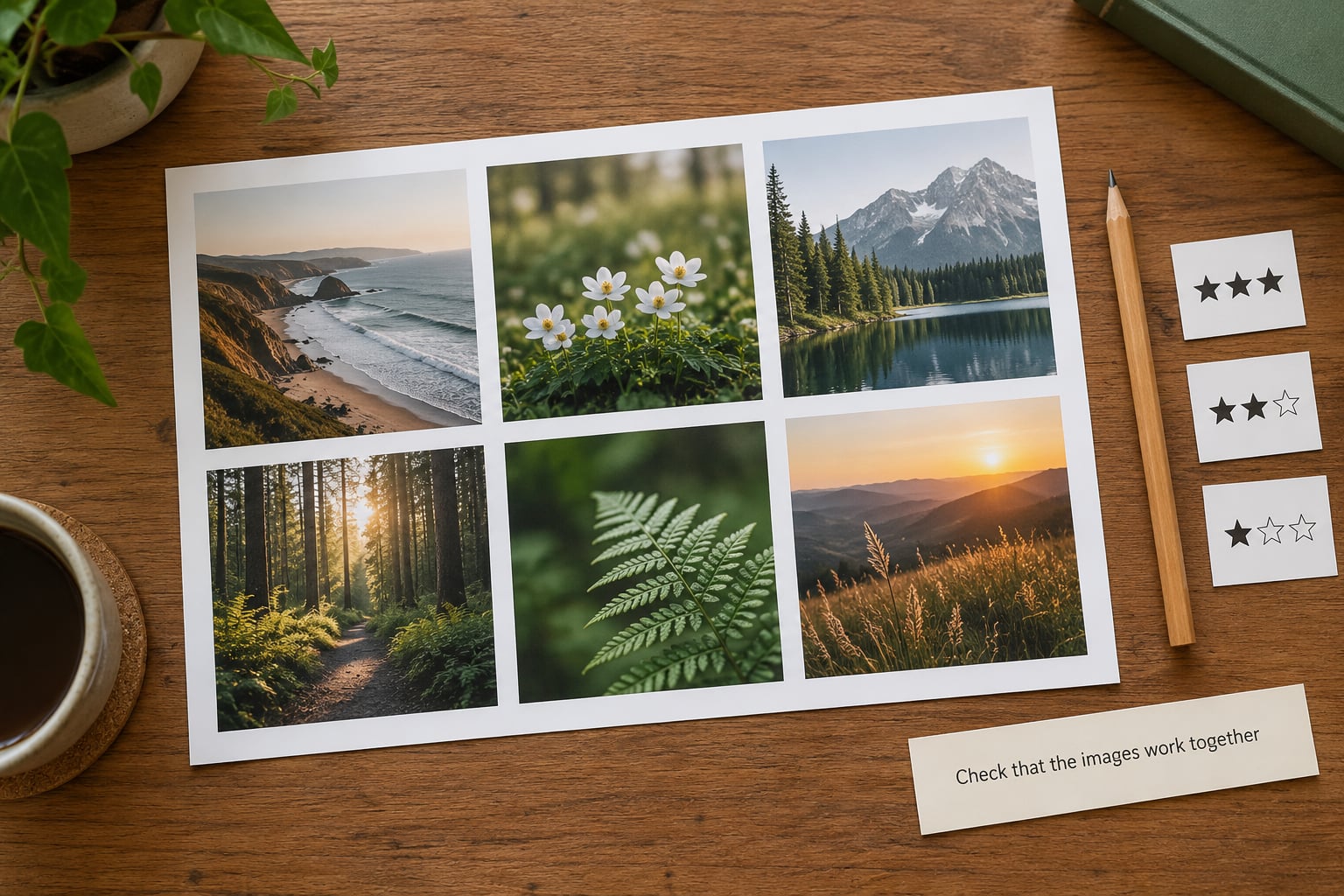
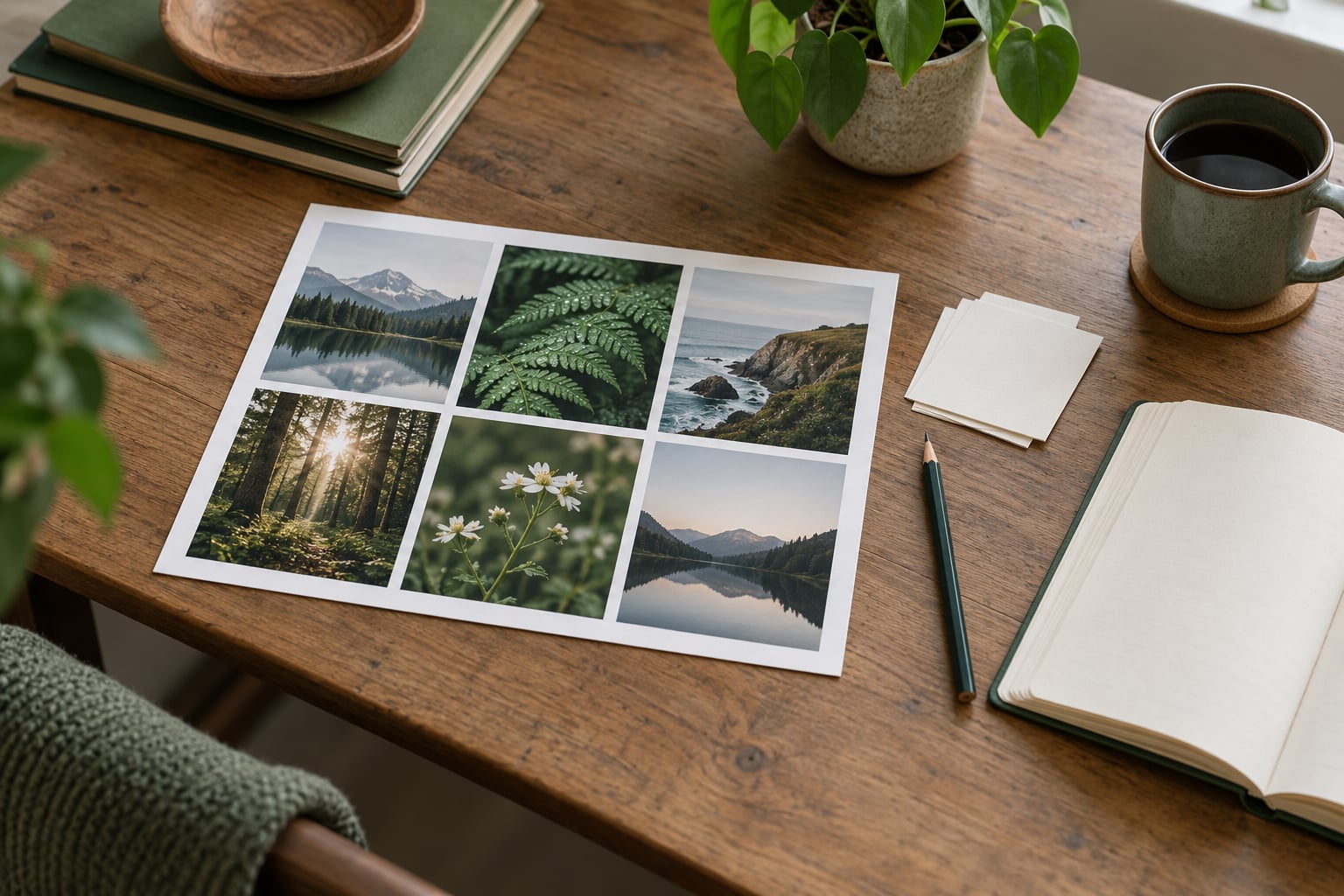
Lay the shortlist out as a grid and view it as one image. Now you are looking for three things: repetition, gaps, and an unclear story.
Repetition is the most common problem. If two frames say the same thing, cut one, even if one is technically better. Gaps are harder to spot but just as damaging: six frames from the same angle of the same subject means you have shown one idea six times. Lay out the grid and ask what a reviewer would still want to see that is missing.
For the story, read the grid in order and say out loud what it is about. If you cannot finish that sentence in one breath, the sequence is not doing its job yet. Some photographers mix visual languages on purpose, and one commenter in r/MODELING argued it is good to show diversity within a shoot, some e-commerce, some beauty, some edgy. That works when the range is deliberate. It fails when the range is just whatever you liked that week.
Test the selection with fresh eyes
Create distance before you decide. Put the set down for a week, or view it on a phone or tablet rather than your calibrated monitor, because your editing setup will flatter you in ways a reviewer’s screen will not. As one r/photography commenter put it, learn to cold read your own images and put yourself in your viewer’s shoes to feel what they will take from the frame.
Then show it to one trusted reader and ask narrow questions: which image do you remember first, which one is unclear, which two feel like the same picture. Do not ask whether they like it. People are generous with the second question and vague about the first. What you are hunting for is the confusion and the boredom, not agreement.
Expect disagreement between readers, because taste is partly personal, and one photographer in r/photography noted the plain truth that you like what you like and others like what they like. When two readers pick different frames, look at whether both frames hold up technically. If they do, decide with your own goal, not the vote.
Edit, sequence, and finalize
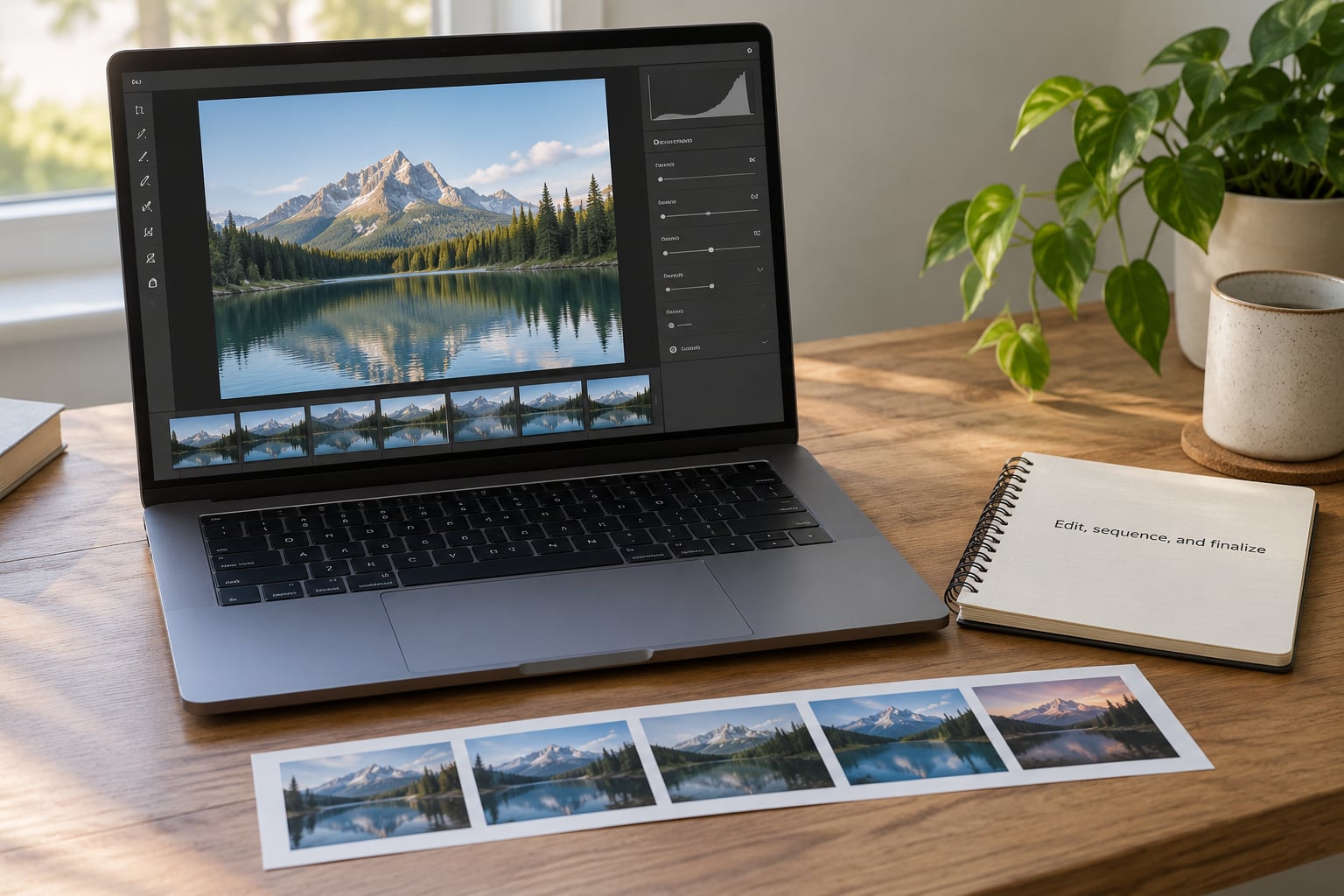
Now do the production pass on the images you actually kept. Crop to the strongest framing, apply consistent colour correction so the set does not look like six different weeks of editing, and check the sequence at thumbnail size, which is how a reviewer will first see it.
Order matters more than most photographers expect. Put your strongest image first, since it is the hook for someone flipping through in ten seconds, and avoid opening with a similar image immediately after it, because the second frame then looks like a retake. Name files systematically (01-hero, 02-detail, 03-candid) and export at the size your destination needs rather than one giant universal file.
One last rule: if you want to restore an image you cut, restore it only when the set has a real hole, not when you miss the picture. And stop when the set stops improving. The fifth round of tweaking rarely fixes a selection problem that the first round could not, because the problem is in the choices rather than the files.
Common Mistakes
Choosing only your favourites. Favourites are chosen from memory of the moment, not from the finished frame. You remember the joke the client made, not the focus point. Fix: score with the rubric, then compare against your top five only.
Too many near-duplicates. Five frames of the same idea read as one weak idea. Fix: the grid test, then cut in pairs until each remaining image adds something new.
Selecting for technical perfection only. Sharp and correctly exposed is the entry fee, not the selection. A flawless boring frame loses to a slightly soft frame with real feeling. Fix: judge emotional impact first, technical quality second.
Using too many images. A tight edit signals taste; a long one signals indecision. Canon experts suggest around 15 images for a big story and 7 to 12 for a shorter one, and one r/AskPhotography thread on print portfolios settled on 20 to 25 prints maximum. Pick the number that fits your format and stop.
Ignoring sequence. A strong set in a random order reads as unrelated photographs. Fix: decide the order on a contact sheet before you export anything.
Failing to match the portfolio to its audience. Work you never want to be hired for is the most expensive thing you can show. Fix: re-read your one-sentence goal before every send, and lead with the images that match it.
Before you send anything, do the unglamorous checks. Your contact details and name should be visible somewhere on every rendition. If identifiable people appear, you need their permission, and for professional work a signed model release is the safer answer, since a friendly client can still be unhappy later. Drop any image with a visible date stamp, watermark or logo from someone else.
Frequently Asked Questions
How many photos should I include in my photography portfolio?
It depends on the format and the reviewer. Canon experts suggest roughly 15 images for a large story and 7 to 12 for a shorter one, while photographers discussing print portfolios on r/AskPhotography land on 20 to 25 prints as a maximum. For a website gallery you can show more, but each extra image has to earn its place. The most useful test is the mini-portfolio: cut to your five strongest and see whether the story still works. If five feels thin for a personal project, aim for 12 to 20.
Do portfolio photos need to be technically perfect?
No, but they need to be technically clean at normal viewing size. Blown highlights, missed focus on the subject or an obvious crooked horizon make a reviewer stop, and Canon mentors note that people remember the one image they did not like. Small flaws that only appear at high magnification, such as noise in shadows, are usually fine. Judge emotion and idea first, then check the technical basics, and fix what can be fixed in post before you send.
Should I include black-and-white and color photographs together?
It works when the intent is clear, and it fails when it looks accidental. Many working photographers run mixed sets and treat colour as an accent inside a mostly monochrome project, or the reverse. The deciding factor is consistency: if the colour images share a grade and a mood, the mix reads as a choice. If they look like raw files from a different shoot, split them into separate projects. When in doubt, pick one language for the opening run of the sequence.
How do I choose a portfolio if my favorite pictures are too similar?
Rank your favourites by distinctiveness, not by quality, and keep the top one. Then ask each remaining frame a different question: does it show a different angle, a different moment, or a different subject? Cut any frame that repeats an idea already covered, even if it is the sharpest image you shot. Finally, go looking for what is missing rather than what is good, because the gaps in your shortlist are usually where variety comes from.
Is it useful to ask other people which photos belong in my portfolio?
Yes, but ask narrow questions rather than asking for approval. Show a trusted reader the shortlist and ask which image they remember first, which two feel like the same picture, and which one confused them. Those answers surface real problems. Remember that reviewers will disagree with each other, since taste is partly personal, so treat feedback as diagnostic information rather than a vote. You still make the final call against your stated goal.
Conclusion
Start today with the sentence you have been avoiding: this portfolio is for this audience, and here is what I want to be hired for. Build a shortlist three times larger than you think you need, score it on the same five criteria every time, and then cut until what is left tells one clear story with no repeated ideas. The smallest set that still works is your portfolio.